
What builds our Culture at Focus BC
- Nuri Shahzad
- Feb 26
- 4 min read

Culture at Focus BC does not live in a slide or a slogan. It shows up in small, concrete things: how we welcome someone new, how we react when something goes wrong and how we choose to show up for the team.
If you spend a day with us, you will see people asking "How can I help?", teams blocking time to think and solve problems, teammates giving clear feedback and project leads stepping up when things become more demanding. This is the culture at Focus BC. It is built by our people, choice by choice, project by project.
Here are some of the things that define how we work together.

Helping someone grow into their role
When someone joins Focus BC, we do not expect them to know everything about our products, clients or tools. What we do expect is curiosity and a willingness to grow.
Helping a person grow into their role looks like:
Making it normal to ask questions, even very basic ones.
Sharing context instead of just passing tasks.
Walking through why a decision was made, not only what to do.
Seniors mentor by reviewing code, pairing on design, or inviting juniors into team conversations. Managers check in regularly, not only at performance review time. The goal is simple. No one should feel like they are figuring everything out alone.
Over time, this creates a place where people feel safe to ask, try, fail a little, adjust and try again. Confidence grows, skills grow, and so does the sense that you are actually moving forward in your work, not just ticking tasks off a list.
If you are curious about how this plays out in real life, you can read our alumni story with Guilherme Bernardo, where he shares his journey and what he took from his time at Focus BC.
Protecting each other’s focus time
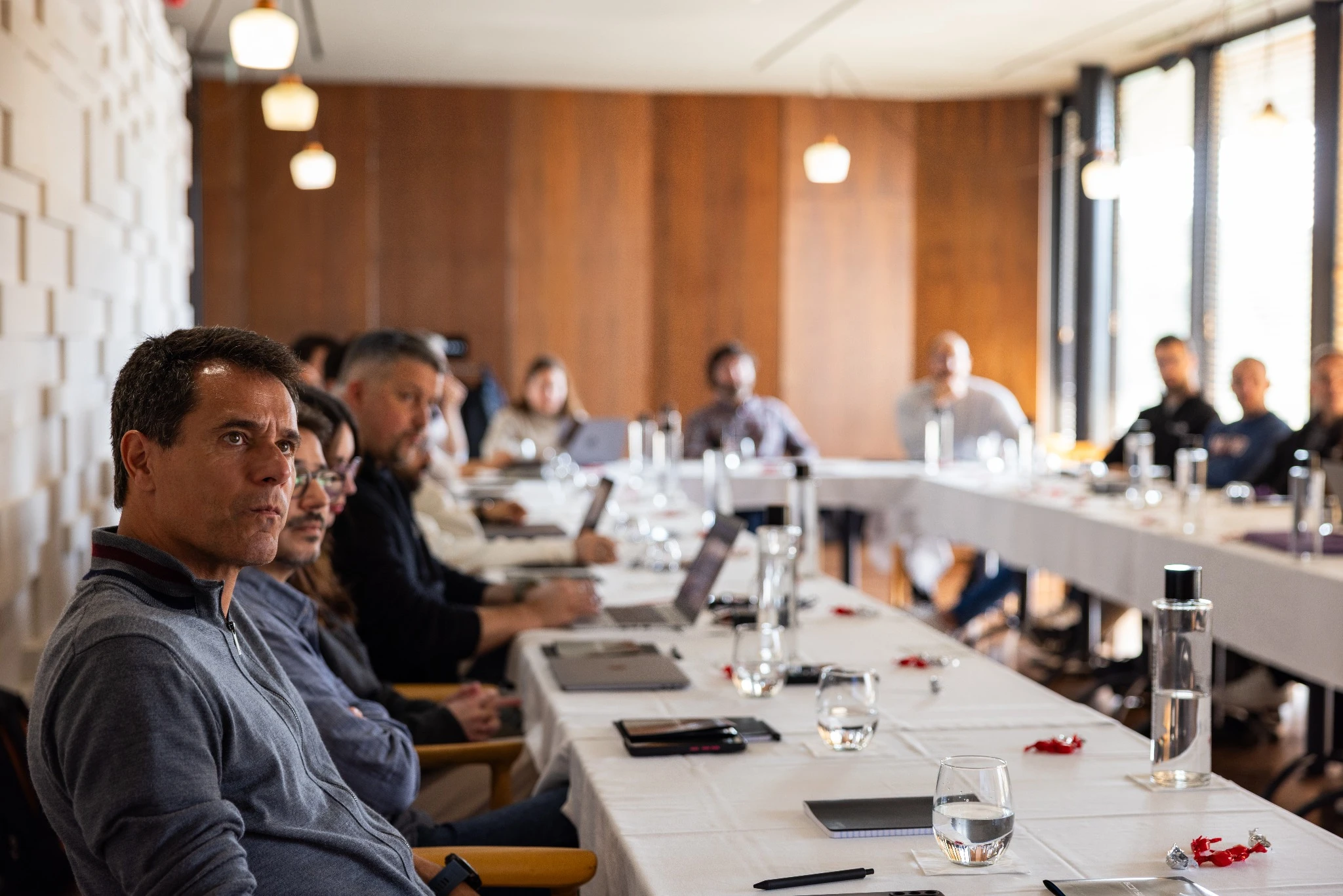
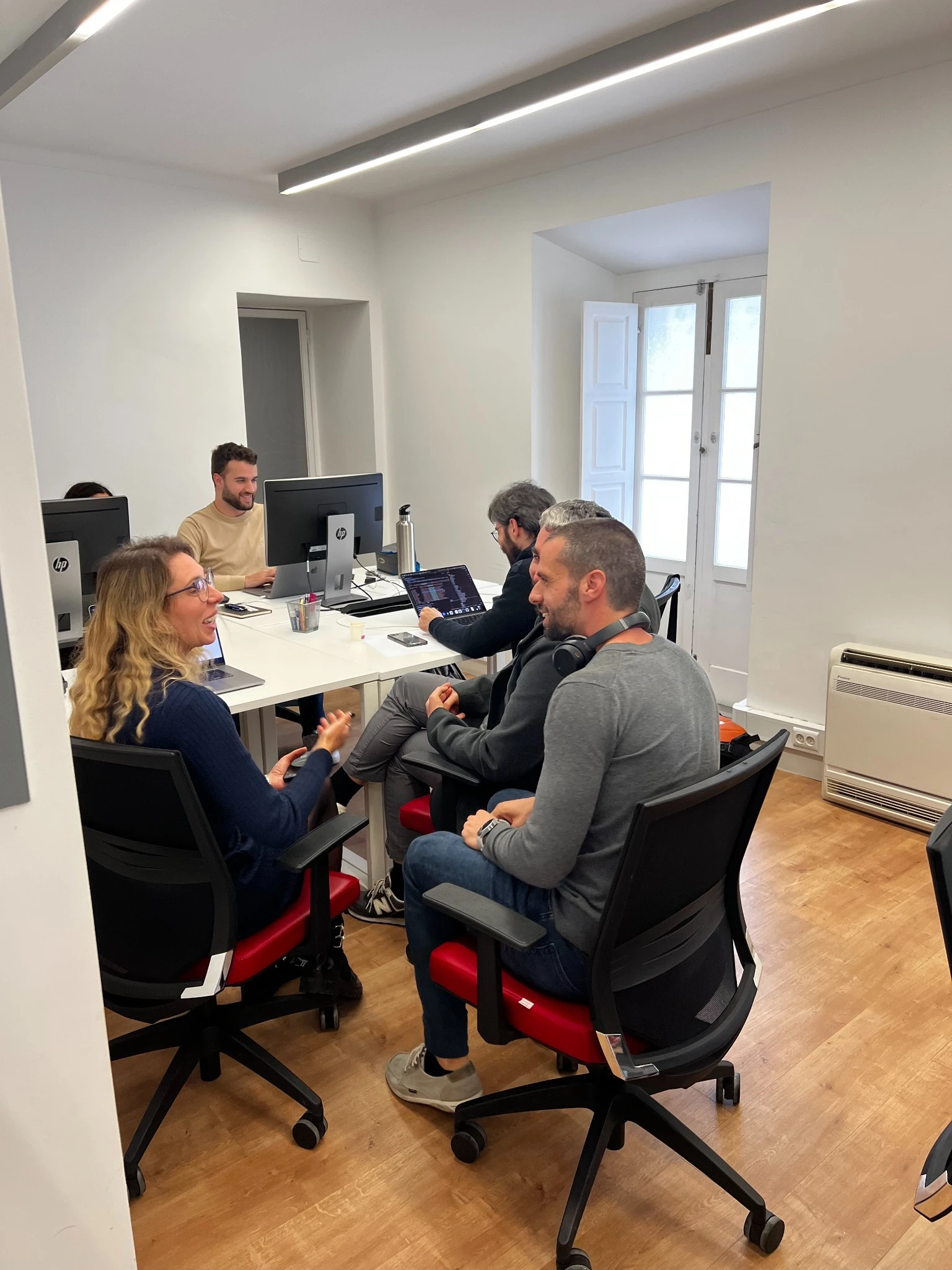
At Focus BC, a lot of our work is carefully crafting and improving our software products. To make good decisions, design clearly and solve problems properly, people need stretches of time where they can focus without constant interruption.
Protecting focus time means we are careful with each other’s attention:
Calendar blocks for deep work are visible and respected.
Many updates are written so people can respond when they are not in the middle of something.
Meetings have a clear reason and the right people in the room.
Time is not something to fill. It is something to use well. When people have room to focus, the work comes out cleaner, the pressure is easier to manage, and there is more energy left for everything that happens outside of work. This same mindset is also behind our four and a half day workweek at Focus BC, where we try to give people the time and space to do good work.
Giving honest feedback
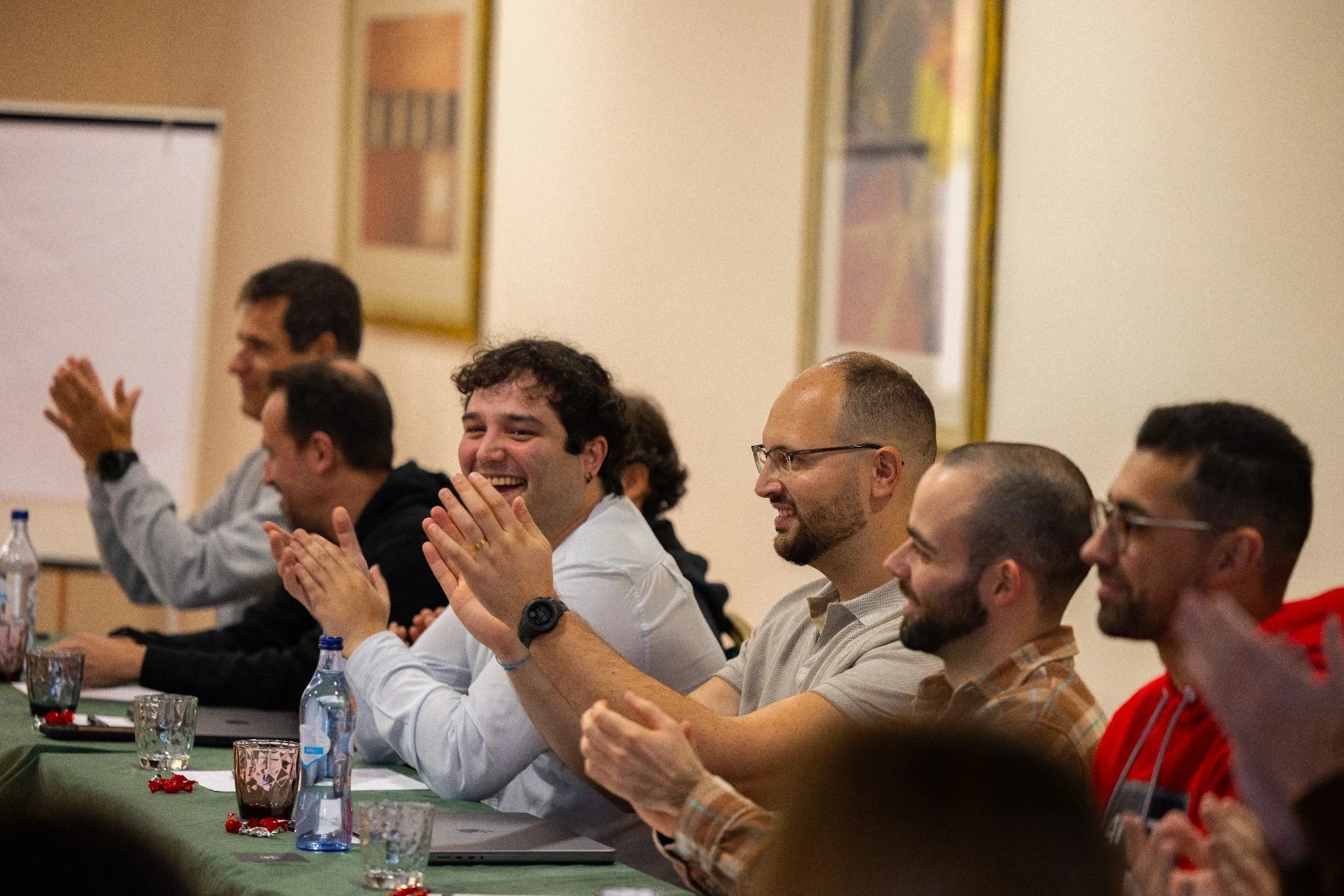
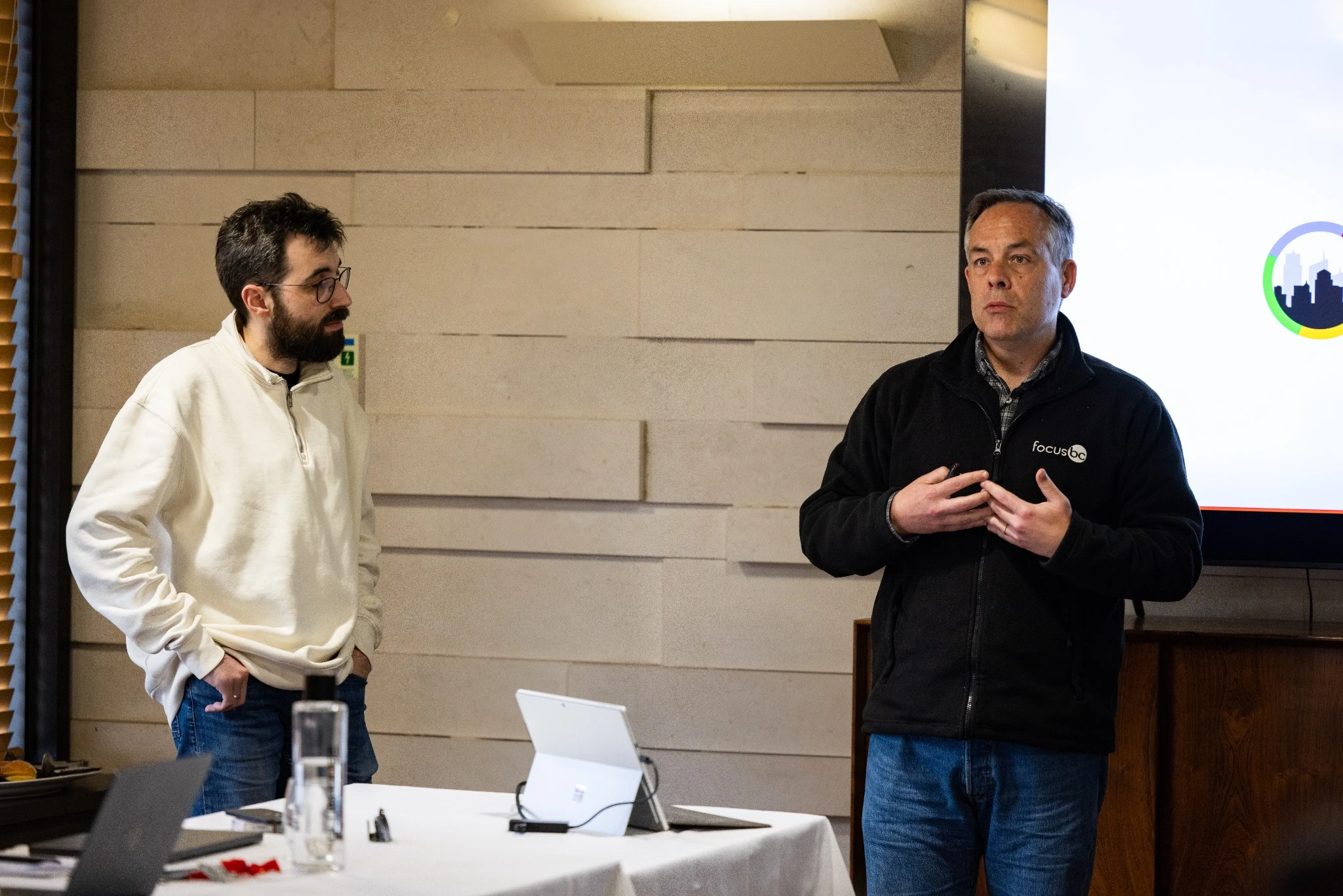
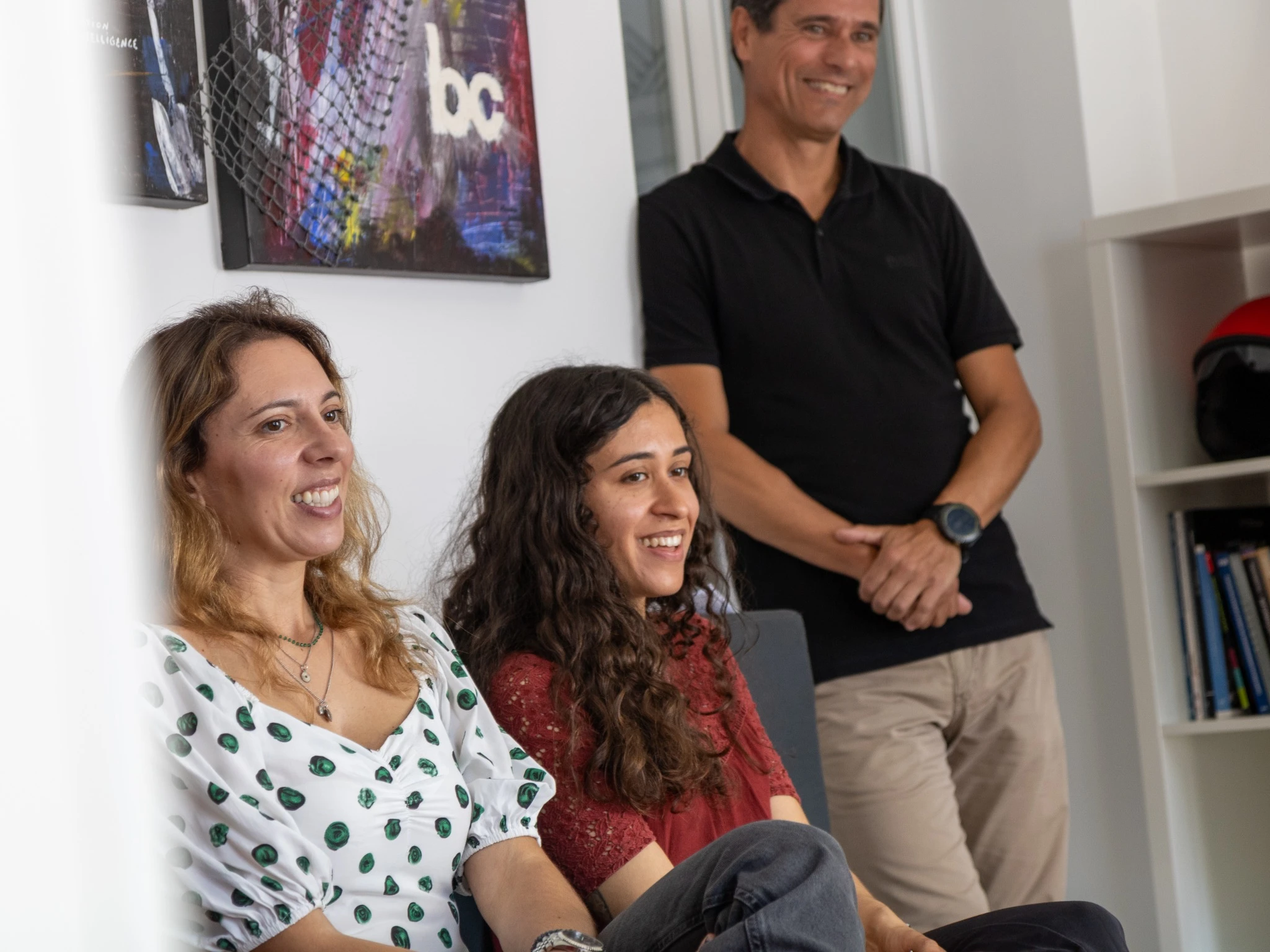
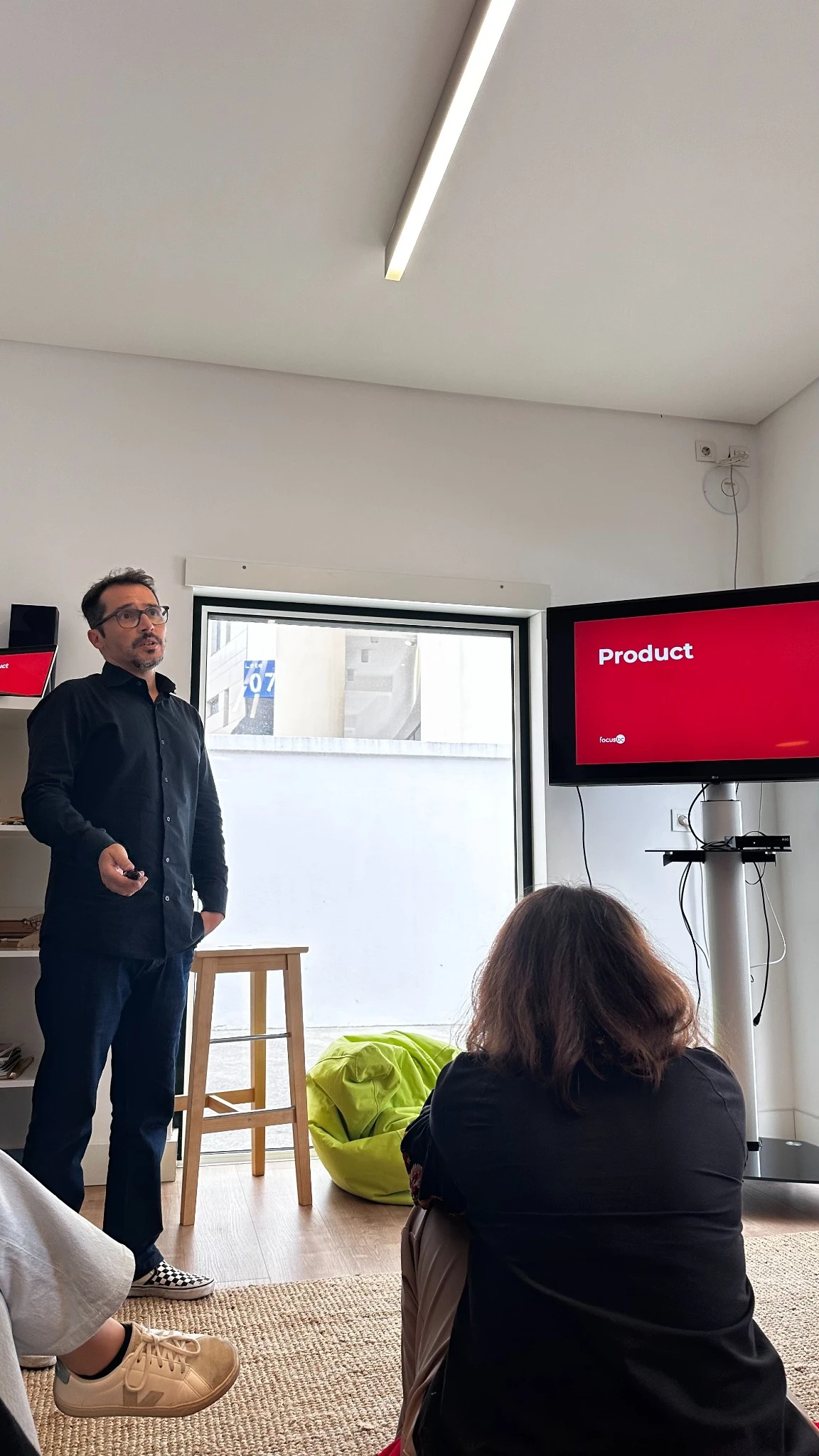
Honest feedback is a core part of Focus BC culture. You can see it in quarterly company meetings, project meetings or in quick calls. People are encouraged to say what they really think, as long as they do it with respect and with the intention to help.
Good feedback here tends to be:
Specific instead of vague.
Focused on behavior or work, not on the person.
Paired with suggestions or ideas for improvement.
It is normal for juniors to give feedback to seniors and for teams to question how something is being done. This keeps quality high and helps us avoid repeating the same mistakes. It also builds trust. When people know they will hear the truth, it becomes much easier to work side by side and actually solve things together.




Saying “I have got this” and meaning it
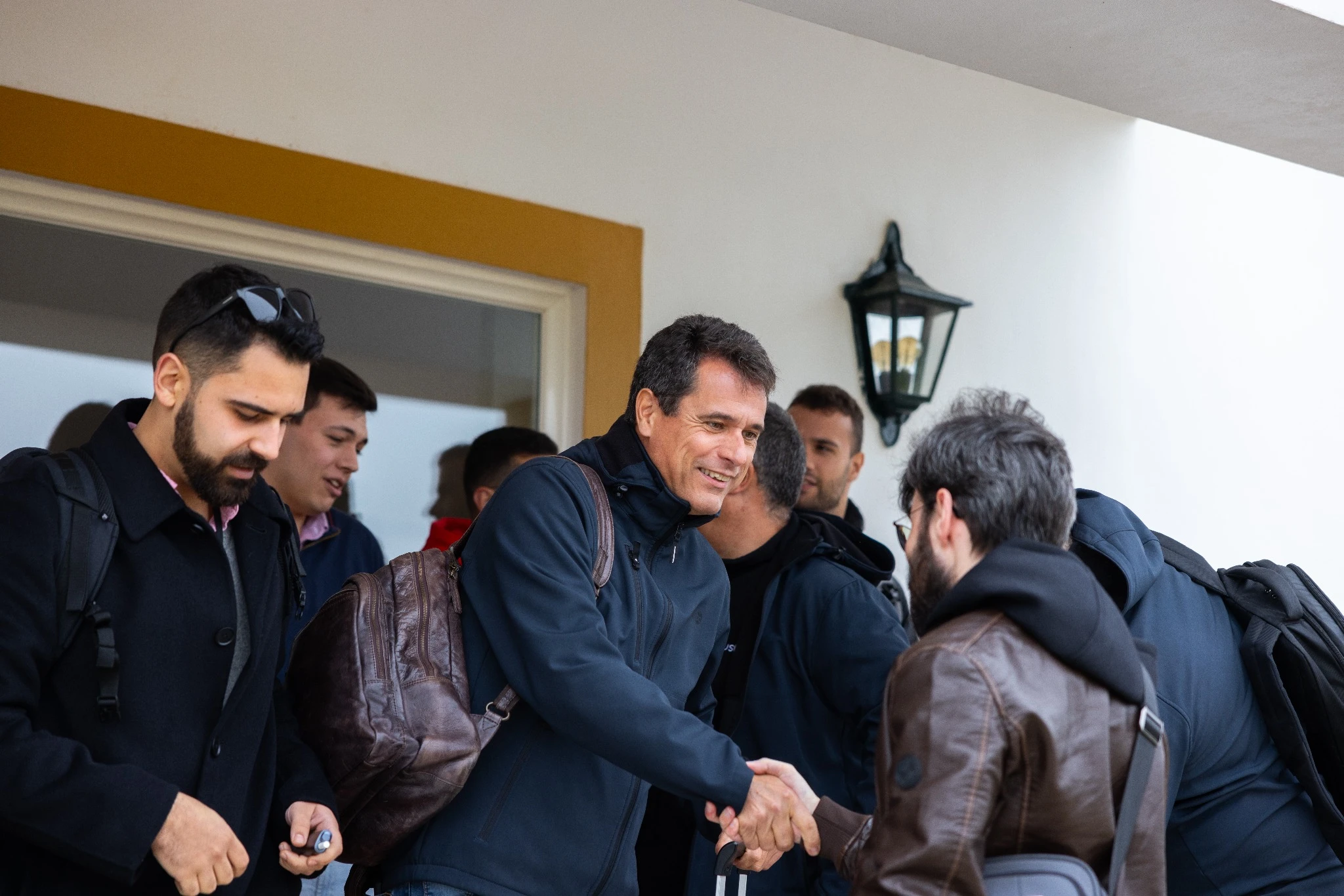
Ownership is something we pay close attention to. When someone at Focus BC says “I have got this”, the team knows they mean it. Everyone who says it is committing to move that topic forward, coordinate the right people, ask for support when needed and keep others in the loop.
Ownership shows up in different ways:
Taking responsibility for a project milestone.
Leading the communication with a client on a specific issue.
Seeing a problem and stepping in instead of waiting to be asked.
This attitude creates stability for clients and for colleagues. People know that if someone picks something up, it will move forward.
Learning from mistakes together
When you work with fast-moving, complex technology like location intelligence, you’re going to learn by shipping and sometimes by missing the mark. The difference is how you handle it.
When something goes wrong, we look at it openly. We talk about what happened, what we missed and what we will change next time. The aim is understanding and improvement, not blame.
Often this leads to:
Short, focused post-mortems that identify root causes.
Small process changes that prevent the same issue from returning.
Internal talks that spread the learning to other teams.
This way of dealing with mistakes makes people more comfortable taking initiative and speaking up early. It turns difficult moments into fuel for long term improvement.
If you look at Focus BC from the outside, you might see products, clients and projects. From the inside, you see something else as well.
You see people taking time to support a colleague who is still finding their feet.
You hear direct, honest conversations that aim to make the work better.
You see ownership in action and teams that treat mistakes as shared learning.
You see the way our people choose to work with one another every day.

If this sounds like the kind of environment where you would like to build your career, you can send us a spontaneous application. Even if we are not hiring for a specific role right now, we are always happy to meet people who share this way of working.
Comments